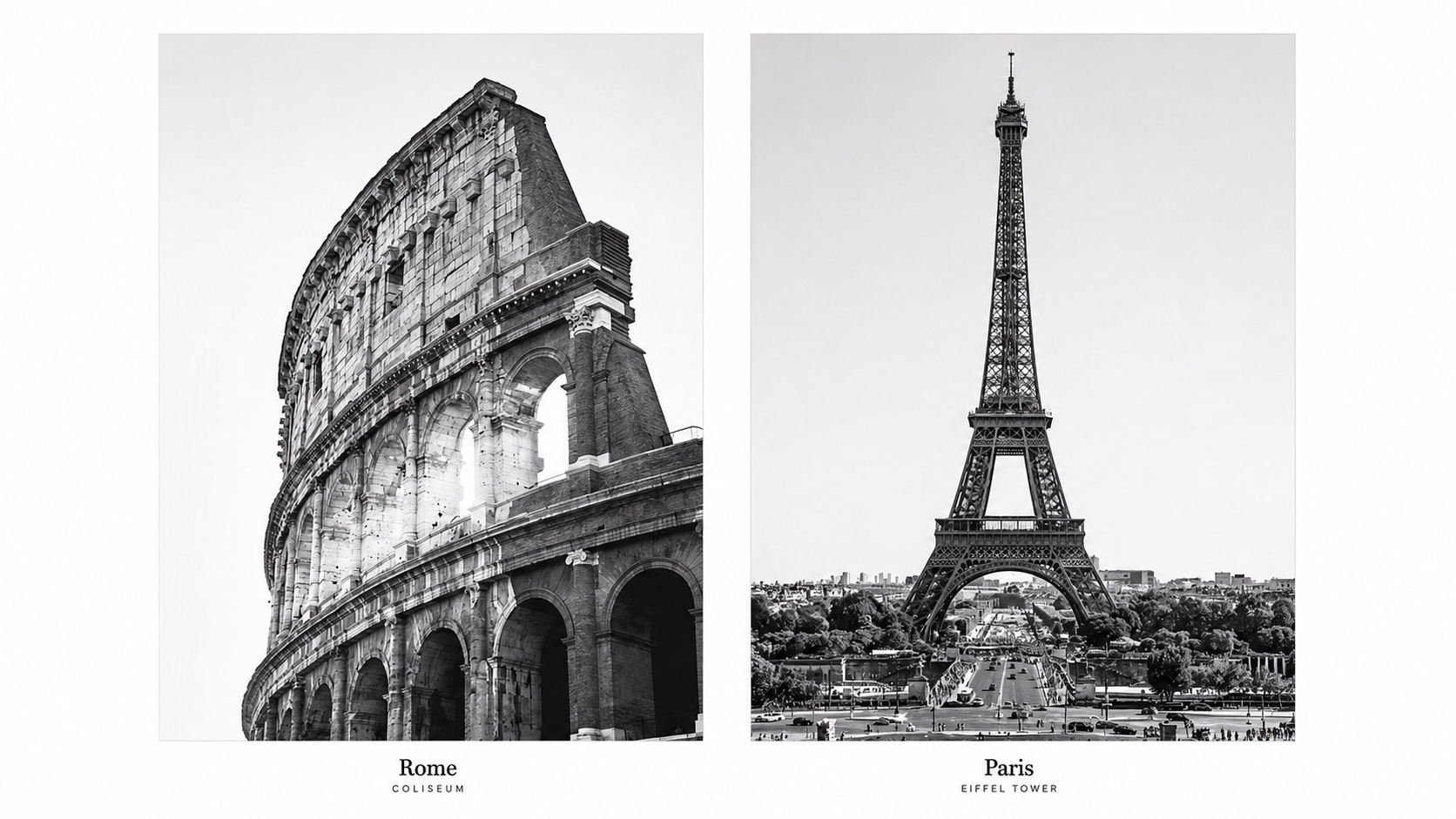
There is no single winner. Italy may work out cheaper where regional support is available and family income is properly documented. France publishes national rates, and exemptions from the higher fee exist in defined cases. Compare actual offers from named universities, not marketing claims that one country is cheap.
- In Italy the fees charged by a public university depend on its own rules, the programme and often the family’s financial situation.
- For 2026/27, France has published rates of €2,902 for a bachelor’s degree and €3,950 for a master’s for non-EU students at some public institutions; exemptions and other rates are checked separately.
- After a Russian school education, the Italian route usually requires the missing twelfth year to be made up; in France a Russian school leaver may apply to the first year, but the university makes the decision.
- Scholarships are not awarded automatically: level of study, nationality, programme and a separate deadline are checked in every call for applications.
Italy or France in brief
| Criterion | Italy | France |
|---|---|---|
| Public universities | Each university sets its own fees and reductions, within national rules. | National rates apply at some institutions; schools and individual programmes may charge different rates. |
| Tuition fees | Depend on the programme, on the university and often on the declared family income. | For non-EU students in 2026/27: €2,902 for a bachelor’s degree and €3,950 for a master’s at some public institutions; exemptions are possible. |
| Scholarships | MAECI, regional calls and university schemes, each with its own eligibility conditions. | National, embassy and university schemes; conditions are checked by study level and nationality. |
| English-taught programmes | Available, particularly at master’s level; check the language of instruction against the programme you choose. | Available, though French still matters for many programmes and for daily life. |
| After a Russian school | One missing year usually has to be made up: a year of university study, a suitable post-school qualification or a Foundation Year. | You may apply to the first year on the same terms as other applicants; the university assesses the Russian school-leaving certificate (attestat), language, academic results and motivation. |
| Language | Italian or English, depending on the programme. | French or English, depending on the programme; the procedure and the proof of level are checked separately. |
| Cost of living | Varies widely by city and by housing. | Varies widely by city; Paris is usually more expensive than the regions. |
| Preparatory stage | Relevant after 11 years of schooling, where no other acceptable evidence exists. | Not a general requirement for a Russian school leaver. |
| Who it suits | Applicants ready to check regional and university funding options carefully. | Applicants choosing one strong programme and ready to take account of the language and the institution’s own rules. |
The table shows what to check; it does not replace costing a specific offer. In both countries a private university, a business school or a specialised programme may cost considerably more than the public rate.
What study in Italy costs
The official Study in Italy portal states that public universities usually charge less than private ones, and that the amount payable may depend on the degree course and on the declared family income. There is no single national price that applies to every international student. A budget therefore needs three lines: the tuition fees for the specific programme, the compulsory regional charge and any other university charges.
Even where a university uses an income-based scale, Russian financial documents must meet its requirements for content, translation, legalisation and deadlines. An incomplete set of documents may mean the highest band rather than a reduction. Check the conditions on the page of the university you choose before you apply.
Scholarships available in Italy
Funding in Italy is not one programme. MAECI, Italy’s Ministry of Foreign Affairs and International Cooperation, runs a government call for applications for foreign students, but the 2026/27 call is aimed mainly at master’s study, AFAM programmes (Higher Education for Fine Arts, Music and Dance), research and language courses; it cannot be treated as a general scholarship for undergraduate study. The 2026/27 call closed on 26 March 2026, so the next cycle must be checked against a new official announcement.
Regional authorities and universities publish calls of their own. These may take account of family income, academic record, residence and timely registration. Eligibility for a Russian citizen is confirmed only by the region’s or the university’s current call. It is worth building a funding strategy alongside the list of programmes rather than after enrolment.
What study in France costs
Campus France has published the 2026/27 rates for non-EU students at public institutions under the French Ministry of Higher Education and Research: €2,902 a year for a bachelor’s degree and €3,950 a year for a master’s. These figures cannot be carried across to the Grandes Écoles, business schools and specialised programmes, which set their own fees.
Exemptions from the higher fee exist. Some are tied to government scholarships or to agreements; others may be granted by the institution itself. An exemption is not automatic: the applicant must check the chosen institution’s rules and show that they qualify.
Scholarships in France for students from Russia
Campus France Russie confirms a programme run by the French Embassy in Russia for Russian students applying to French master’s programmes for 2026/27. Under the published terms the award was €860 a month and covered the visa fee and the Campus France procedure fee, together with insurance and help with accommodation. Applications closed on 20 February 2026; that is a fact about the 2026/27 cycle, not a promise of the same terms in the next one.
Beyond the embassy programme, universities and schools run calls of their own. No single rule covers them: in some cases the funding application is built into the application for a place, in others it is submitted separately, and who may apply depends on the programme and the level.
Applying with a Russian qualification
After school
Italian rules are built on 12 years of prior education. Because Russian schooling lasts eleven years, the missing year is usually covered by a successfully completed first year of university study, a suitable post-school qualification or a Foundation Year. The university still checks the subjects and the documents.
Campus France Russie states that a Russian school leaver may apply to the first year of a French university on the same basis as other applicants. That is a right to apply, not a promise of a place: language, academic results, motivation, fit with the programme and the availability of places are all assessed.
After a bachelor’s degree
For entry to a master’s, both countries assess the degree, the academic transcript, and the subject content of the previous degree. The name of a Russian bachelor’s degree does not by itself decide eligibility: what decides it is the content of the previous programme and the requirements of the specific master’s programme.
Italy or France: who each country suits
Italy makes sense for an applicant ready to assemble financial documents in advance and to match regional calls against named universities. France may be stronger for someone who has settled on a particular French institution, who has the French required and who understands that institution’s fee model.
If the choice still rests only on a country’s average price, it has been made too early. Compare three to five real programmes first, then add the cost of living, the funding available, the requirements for prior education and the application timetable. A route across Europe can start with the EDMONT country overview.
Frequently asked questions
Is it cheaper to study in Italy or in France?
Without a specific programme there is no answer. In Italy the fee may depend on family income and on the university’s own rules; in France there are national rates, exemptions and more expensive specialised schools.
Can a student from Russia receive a scholarship in Italy?
Yes, where the applicant’s nationality and profile meet the conditions of the current call. Check MAECI, the regional authorities and the university’s own schemes separately.
Are there scholarships in France for Russian students?
For the 2026/27 cycle Campus France Russie published a French Embassy programme for Russian students at master’s level. The next cycle has to be checked against a new official announcement.
Is it possible to study in English?
Both countries have English-taught programmes, particularly at master’s level. The accepted test and the minimum scores are set by each programme.
What can you do after the final year of a Russian school?
For Italy you usually need a way to make up the missing year of education. In France you may apply to the first year, but the university assesses the documents and the applicant’s profile.
Where are living costs higher?
They depend above all on the city and on housing. Paris is usually more expensive than the French regions; and in Italy Milan or Rome is a different proposition from a small university town.
Can you apply to both countries at the same time?
Yes, provided the separate procedures and deadlines are observed. Build one timetable in advance and mark each system’s requirements separately.